
General Practice · Animal Hospitals · Specialty
Pet owners call once. Then they call the next clinic.
Veterinary teams are stretched thin by a documented workforce shortage — and the phone doesn't care that you're mid-procedure. New-client calls, worried-owner questions, refill requests, and reminder follow-ups all compete for the same overloaded front desk. We answer every call, keep the schedule full, and take the admin off your team's plate.
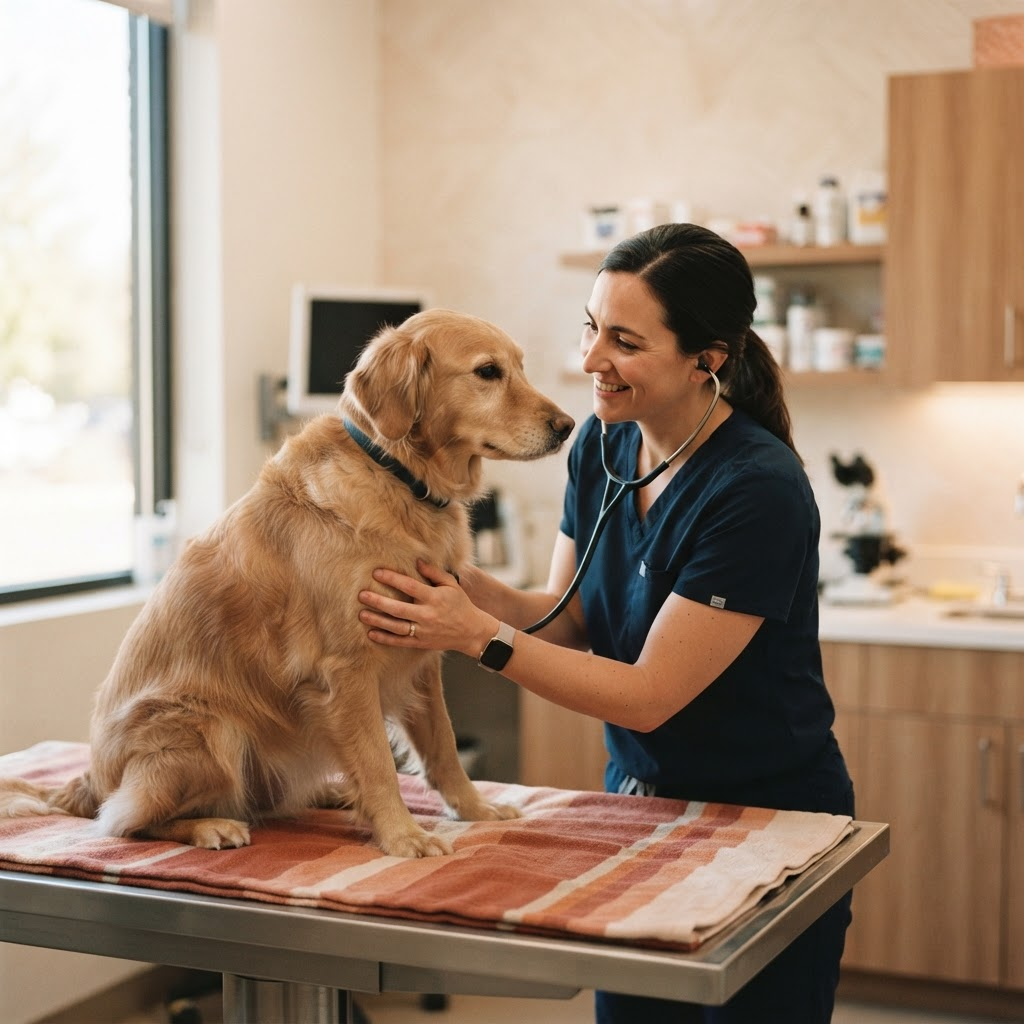
The landscape
Corporate consolidation meets a clinical workforce shortage.
Veterinary medicine is squeezed from both ends. Consolidators have bought up a meaningful share of practices, bringing centralized scheduling and marketing muscle to compete against. At the same time the profession's workforce shortage — veterinarians and techs alike — is well documented, which means independent clinics are defending market share with teams that are already at capacity. The phone is where that squeeze becomes visible: it rings most when the team can least answer it.
Pet owners, meanwhile, have consumerized. They expect online booking, instant answers, and after-hours responsiveness — and an anxious owner at 10pm will call down the list until someone picks up. The practices winning right now aren't working harder; they've systematized the front office so clinical staff stay clinical. That's an automation profile almost identical to dental, with triage stakes added.
The market problem, in published numbers
62%
of phone calls to small businesses are not answered by a person (voicemail or no response)
411 Locals call study (85 businesses, 58 industries, 30 days) (2016)
42 hrs
average time firms took to respond to a web-generated lead, in an audit of 2,241 US companies; only 37% responded within an hour
Harvard Business Review, “The Short Life of Online Sales Leads” (2011)
14–26%
measured productivity gains from AI in customer support and software development
Figures are third-party market benchmarks from the cited sources, not Ometz AI client results. We share them so you can size the problem before we ever talk.
Where veterinary clinics leak revenue
Calls missed mid-procedure
Your team can't answer phones and hold a patient at the same time.
After-hours worry calls
Owners with a sick pet at 10pm call until someone answers — somewhere.
Reminder & recall gaps
Vaccine, wellness, and dental recalls slip when the desk is buried.
Records & insurance admin
Histories, claims, and intake forms eat hours that should go to patients.
The Veterinary Clinics program
The core engines, tuned to your operation.
ALWAYS ON
AI Front-Office Assistant for Veterinary Clinics
An AI receptionist that answers every owner's call, triages urgency against your protocols, and books into your PIMS-connected calendar.
What we measure
- — Call answer rate
- — New clients booked
- — Front-desk interruptions per day
01
Urgency-aware triage
The agent runs your triage script — true emergencies route to your ER partner or on-call line, routine matters get booked.
02
Appointment booking & reschedules
Owners book, move, or cancel by phone any time; your schedule stays accurate.
03
Refill request intake
Medication refill requests captured in structured form and queued for clinician approval.
GROWTH
B2B Growth Engine for Veterinary Clinics
Systematic recall, reactivation, and wellness-plan campaigns — the revenue sitting in your own patient records.
What we measure
- — Recall compliance rate
- — Reactivated clients per month
- — Wellness plan enrollment
01
Recall reactivation
Automated multi-touch outreach on overdue vaccines, dentals, and wellness exams.
02
Lapsed-client win-back
Owners who haven't visited in 12+ months get a respectful re-engagement sequence.
03
Wellness plan enrollment
Eligible clients systematically introduced to plans that smooth your revenue.
EFFICIENCY
Back-Office Automation for Veterinary Clinics
Intake forms, insurance claims, and reminder cascades — automated against your practice software.
What we measure
- — Admin hours per week
- — No-show rate
- — Intake errors
01
Digital intake to PIMS
New-client and patient-history forms flow into your system without double entry.
02
Claims support workflow
Insurance claim documents assembled from records automatically, exceptions flagged.
03
Confirmation cascade
SMS/email confirmations and no-show follow-ups run without front-desk time.
The diagnosis
What we look for in your hospital.
Every engagement starts by measuring these in your own systems — so the before/after is provable, not promised.
Run the Ometz RadarCall answer rate while the team is with patients
After-hours call volume and where it currently goes
Overdue recalls (vaccines, dentals, wellness) unworked
No-show rate and confirmation workload
Front-desk hours on refills, records, and intake re-keying
New-client booking conversion from first call
How an engagement runs
01
Weeks 1–2: Baseline the clinic
Phone data, recall list, no-show rates, admin hours. We map your triage protocol with your clinical team before any script is written.
02
Weeks 2–4: Triage-aware coverage
The agent answers overflow and after-hours with your approved triage tree — emergencies route instantly, routine visits get booked.
03
Month 2+: Recall & admin engines
Reactivation campaigns work the overdue list; intake, claims support, and confirmations automate. Compliance rate and answer rate are the scoreboard.
Veterinary Clinics FAQ
It runs the triage protocol you approve — the same decision tree your team uses — and errs toward escalation. True emergencies are routed to a human or your ER partner immediately. The alternative at 10pm isn't your best tech on the phone; it's voicemail.
Next step
Run the Radar on your hospital.
Fourteen questions, four minutes, and a maturity radar across the seven dimensions of AI readiness, from strategy to culture. Then decide if a conversation is worth your time.